Classification and Applications of Radiators: A Technical Overview
1. Introduction
A radiator is a heat-transfer device that dissipates thermal energy from a heat source to its surroundings, usually ambient air or a circulating cooling fluid. In engineering practice the term covers three broad families that are frequently treated separately: heating radiators that provide thermal comfort in buildings, radiators that reject heat from internal-combustion engines and vehicle systems, and heat sinks that protect electronic and power equipment from overheating. Despite their common purpose, these devices differ substantially in structure, materials, heat-transfer mechanisms, and design constraints. This article classifies radiators from four perspectives — application domain, heat-transfer mechanism, material, and structural form — and then reviews their principal applications and selection criteria.
2. Classification of Radiators
2.1 Classification by Application Domain
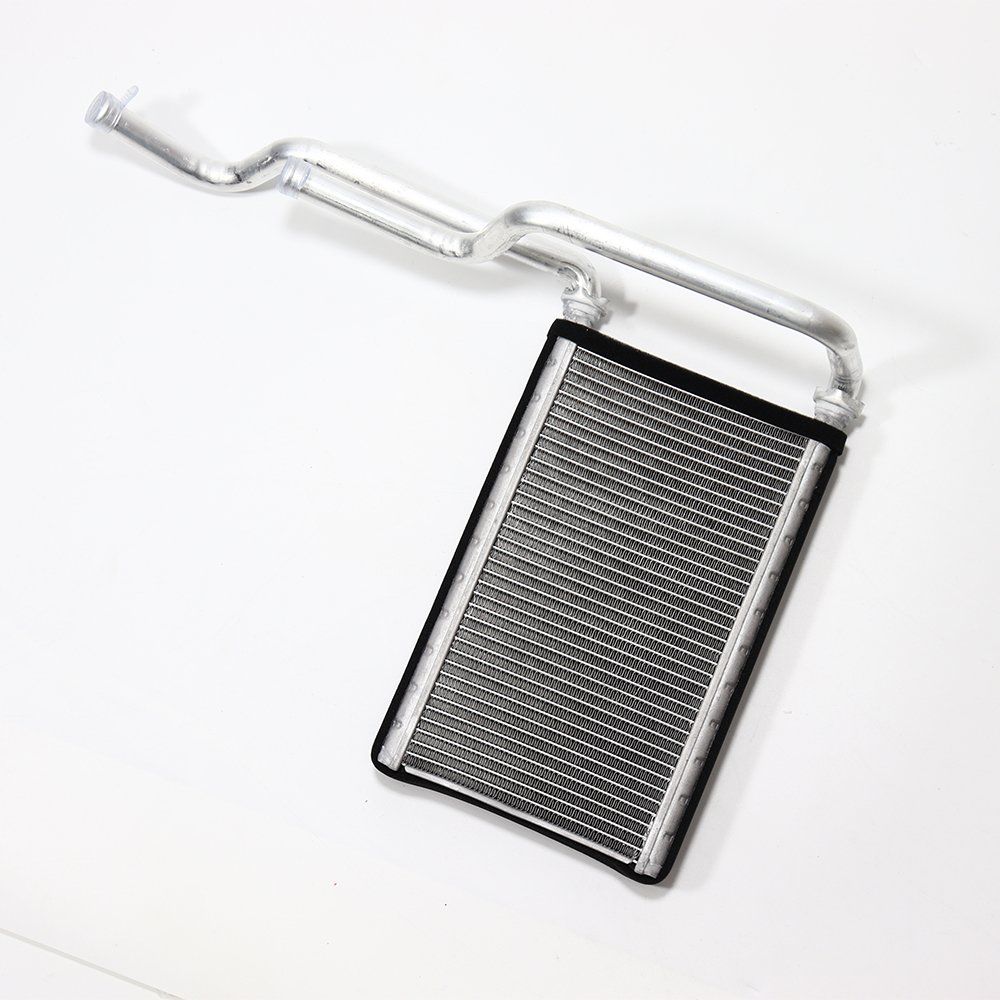
Building heating radiators. Heating radiators are the most familiar category. They transfer heat from hot water, steam, or an electric heating element to room air, maintaining indoor thermal comfort in residential and commercial buildings. Typical variants include cast-iron sectional radiators, steel panel radiators, steel column radiators, aluminum radiators, baseboard convectors, and fan-coil units. They operate mostly by natural convection supplemented by thermal radiation.
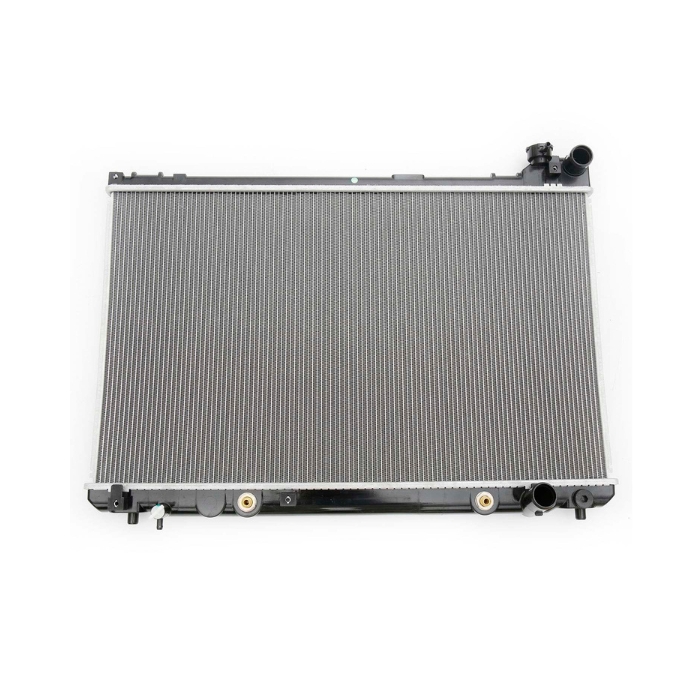
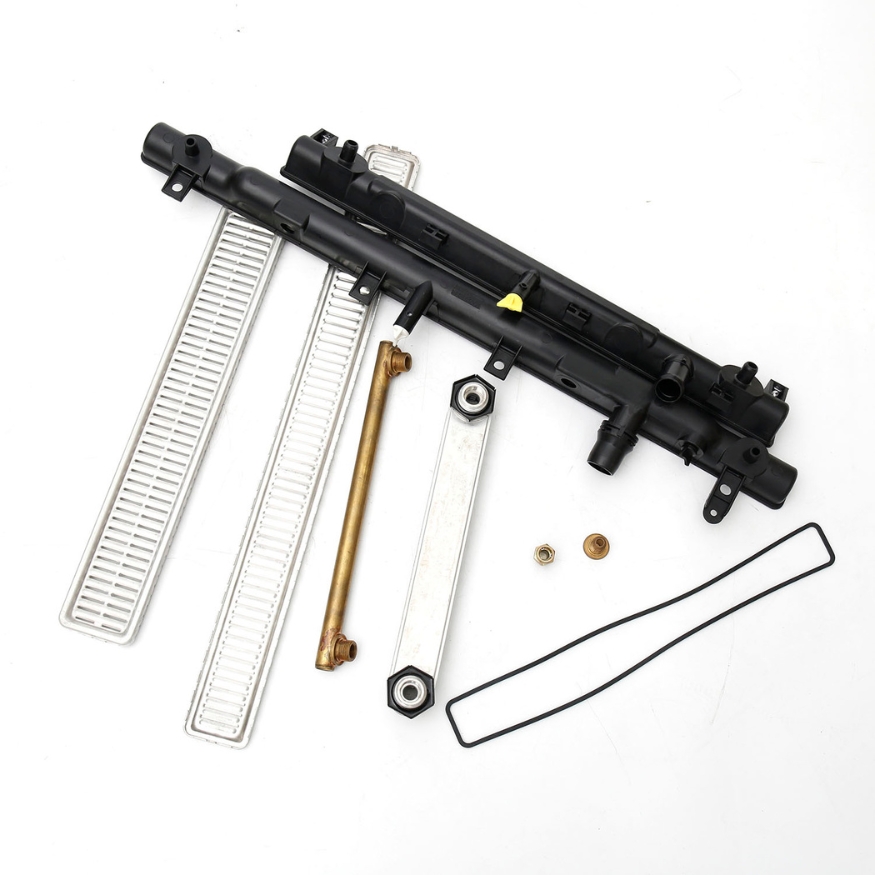
Automotive radiators. Automotive radiators reject heat from engine coolant, transmission oil, or charge air in vehicles. The classic engine radiator is a tube-and-fin heat exchanger, usually made of aluminum with plastic tanks, mounted at the vehicle front where ram air flows through the core and electric fans provide additional airflow at low speed or standstill. Cross-flow and down-flow arrangements accommodate different hood profiles and installation constraints.
Electronics heat sinks. Heat sinks for electronics are finned structures attached to heat-generating components such as central processing units (CPUs), graphics processors (GPUs), power semiconductors, and light-emitting diodes (LEDs). They rely on extended surfaces to enlarge the heat-transfer area and may operate by natural convection, forced convection, or with the aid of heat pipes, vapor chambers, and liquid cold plates.
Industrial air-cooled heat exchangers. In process industries, radiator-type equipment rejects heat from process fluids or lubricating oil to ambient air. Air-cooled heat exchangers — often called fin-fan coolers — use bundles of finned tubes swept by induced- or forced-draft fans and are widely applied in refineries, petrochemical plants, power stations, and compressor stations.
2.2 Classification by Heat Transfer Mechanism
Convection-dominant radiators. Most radiators transfer the bulk of their heat by convection. In natural-convection units, heated air rises and is replaced by cooler air, establishing a buoyancy-driven flow without mechanical assistance; forced-convection units employ fans or pumps to increase airflow or coolant velocity and thus raise the heat-transfer coefficient.
Radiation-dominant radiators. Radiant panels and some electric radiators emit a significant fraction of their energy as infrared radiation directly to surrounding surfaces and occupants. In a typical hydronic heating radiator, natural convection accounts for roughly 60–80 percent of the heat output, while radiation contributes the remaining 20–40 percent.
Phase-change radiators. Devices such as heat pipes and vapor chambers exploit the latent heat of a working fluid. The fluid evaporates at the hot end, travels to the cooler section, condenses, and returns by capillary action or gravity. Because phase change transfers large quantities of heat with small temperature differences, heat pipes can exhibit effective thermal conductivities of 10⁴–10⁵ W/(m·K), far exceeding any solid metal.
2.3 Classification by Material
Cast iron. Cast-iron sectional radiators have been used for more than a century. They offer high thermal mass, excellent corrosion resistance in hot-water systems, and long service life, but are heavy and slow to respond to control changes.
Steel. Steel panel and column radiators dominate modern hydronic heating because they are light, compact, and respond quickly to thermostatic control. Carbon steel is also used in industrial finned-tube elements.
Aluminum. Aluminum combines moderate thermal conductivity (about 205–237 W/(m·K)) with low density, making it the material of choice for extruded electronics heat sinks and modern vehicle radiators. Aluminum radiators for building heating heat up and cool down rapidly, enabling efficient zone control.
Copper. Copper offers the highest practical thermal conductivity among common metals (about 398–401 W/(m·K)). It appears in high-performance heat sinks, heat-pipe wicks, and brazed copper-brass automotive radiators and is frequently combined with aluminum fins in composite designs.
2.4 Classification by Structural Form
Panel radiators. Panel radiators consist of flat steel panels, sometimes with welded convection fins on the rear face; they are thin, lightweight, and widely used in European hydronic systems.
Column and tubular radiators. Column and tubular radiators comprise vertical water-carrying sections of cast iron, steel, or aluminum joined side by side; they offer large surface area and are available in decorative designs.
Plate-fin and pin-fin heat sinks. Plate-fin and pin-fin heat sinks use rows of fins or pins machined, extruded, or stamped from aluminum or copper; pin fins improve airflow in multiple directions and are common in power electronics.
Extruded-profile heat sinks. Extruded-profile heat sinks are the workhorse of electronics cooling, produced by forcing heated aluminum billets through dies; they provide long straight fins at low cost.
Folded, stamped, and skived fins. Folded, stamped, and skived fins are manufactured separately and attached by adhesive, soldering, or mechanical joining, allowing denser fin spacing and higher performance per unit volume.
Heat pipes, vapor chambers, and microchannel cold plates. Heat pipes, vapor chambers, and microchannel cold plates are advanced forms used where space is tight or heat fluxes are high; they spread heat laterally or transport it to remote fin stacks and are central to modern laptop, server, and electric-vehicle cooling.
Table 1 summarizes the major radiator families introduced in this section.
Table 1 Comparison of Major Radiator Families
|
Family |
Typical Materials |
Primary Heat-Transfer Mode |
Typical Applications |
|
Building heating radiator |
Cast iron, steel, aluminum |
Natural convection + radiation |
Residential and commercial space heating |
|
Automotive radiator |
Aluminum core, plastic tanks |
Forced convection |
Engine, transmission and battery cooling |
|
Electronics heat sink |
Aluminum, copper, heat pipes |
Natural or forced convection |
CPUs, GPUs, power modules, LEDs |
|
Industrial air-cooled exchanger |
Carbon steel, aluminum fins |
Forced convection |
Refineries, power plants, process cooling |
3. Applications
3.1 Building Heating
Hydronic heating systems circulate hot water — typically supplied at 60–90 °C — through panel, column, or baseboard radiators. Steel panels are favored in new construction for their fast response and slim profile, while cast-iron sections remain common in retrofit and heritage buildings. Electric oil-filled radiators provide portable, convection-based heating where no hydronic loop exists. Fan-coil units combine a radiator core with a fan to deliver rapid, controllable heating in hotels, offices, and hospitals. Modern systems pair radiator output with thermostatic valves and weather compensation to improve energy efficiency.
3.2 Automotive and Transportation
The engine radiator is the largest cooling component in most internal-combustion vehicles. Coolant at roughly 90–100 °C is pumped through the engine block and cylinder head and then through the radiator core, where ram air and cooling fans remove heat; a thermostat regulates coolant flow to keep the engine near its optimum temperature. Related components include transmission-oil coolers, turbocharger charge-air coolers, and radiator cores for diesel generator sets and heavy machinery. In electric vehicles, thermal management extends to the battery pack and traction inverter: liquid cold plates, heat exchangers, and integrated cooling circuits keep cells within a narrow temperature window for safety, performance, and service life.
3.3 Electronics and Power Electronics
Heat sinks are ubiquitous in electronics. Desktop and server CPUs and GPUs are cooled by extruded aluminum fin stacks often combined with heat pipes, with fans providing forced convection; high-end systems use liquid cooling or immersion cooling. Power semiconductors such as IGBT modules and silicon-carbide MOSFETs are mounted on aluminum or copper baseplates with pin-fin or plate-fin heat sinks to dissipate switching losses. LED luminaires rely on passive aluminum heat sinks to keep junction temperatures low, protecting luminous flux and lifetime. In all cases, the heat sink must keep the junction temperature below the manufacturer's limit while meeting constraints on space, weight, noise, and cost.
3.4 Industrial Processes
Air-cooled heat exchangers (fin-fan coolers) cool process streams, steam condensate, and lubricating oil in refineries, petrochemical plants, and power stations, avoiding the water consumption and environmental constraints of cooling towers. Radiator-type oil coolers protect compressors, hydraulic systems, and gearboxes. In power generation, dry-cooling radiators condense turbine exhaust steam where cooling water is scarce. Industrial radiator selection emphasizes robustness, fouling resistance, and the ability to operate under high ambient temperatures, altitude, or corrosive atmospheres.
4. Key Considerations in Radiator Selection
Selecting a radiator requires balancing several factors.
Thermal performance. The dominant criterion is the thermal resistance (K/W) or heat output at the design temperature difference. Fin geometry, material, airflow, and coolant flow rate together determine performance.
Material and corrosion. Material choice affects conductivity, weight, and durability. Compatibility with the working fluid, water chemistry, and ambient environment must be checked to avoid corrosion and scaling.
Space, weight, and noise. Compact heat sinks and thin radiators suit confined installations; noise limits may restrict fan speed and fin density in occupied spaces.
Cost and maintenance. Initial cost must be weighed against operating cost, service life, and ease of cleaning; fin spacing that collects dust or debris raises maintenance needs.
Application-specific requirements. Building radiators must satisfy comfort, pressure, and safety requirements; vehicle and industrial units must withstand vibration, pressure cycling, and thermal fatigue.
5. Conclusion
Radiators and heat sinks are among the most widely used thermal-management components, appearing in buildings, vehicles, electronic devices, and process plants. They can be classified by application domain, heat-transfer mechanism, material, and structural form, and each class embodies a distinct compromise among thermal performance, weight, cost, durability, and operating environment. As power densities rise in electronics and electric vehicles, and as energy efficiency becomes a priority in buildings and industry, radiator design continues to evolve toward phase-change devices, liquid cooling, microchannel geometries, and lighter, more corrosion-resistant materials. A sound understanding of classification and application is therefore essential for engineers selecting or designing these components.