How a Car Cooling System Operates: An In-Depth Guide
Every time you start your vehicle and embark on a journey, its engine functions as a high-performance power unit, generating intense heat during operation. However, without a reliable cooling system to regulate this extreme heat, catastrophic consequences can occur rapidly—ranging from sudden breakdowns and costly repairs to complete engine failure.
So, what is the operational mechanism of a car’s cooling system? In this comprehensive guide, we will delve into the intricate heat management process under the hood, break down the specific role of each component, and highlight key maintenance insights to ensure your vehicle runs smoothly and reliably.
The Operational Principles of a Cooling System
An engine produces heat through combustion and mechanical friction. Without a functional cooling system, this heat would quickly escalate to excessive levels, resulting in engine failure and potential damage to the engine block. The cooling system maintains optimal operating temperatures by circulating coolant (also known as antifreeze), which absorbs and disperses excess heat to keep all components functioning within their ideal parameters.
Heat Accumulation
As fuel combusts inside the engine cylinders, it releases tremendous amounts of heat. If left unchecked, this heat can cause irreversible damage to critical engine parts. The cooling system prevents overheating by continuously regulating the engine’s heat output.
Coolant Heat Absorption
The water pump serves a pivotal function in circulating coolant throughout the engine. This specialized fluid absorbs heat from the engine’s metal surfaces, effectively preventing the engine from reaching dangerous temperature thresholds.
Radiator Heat Exchange
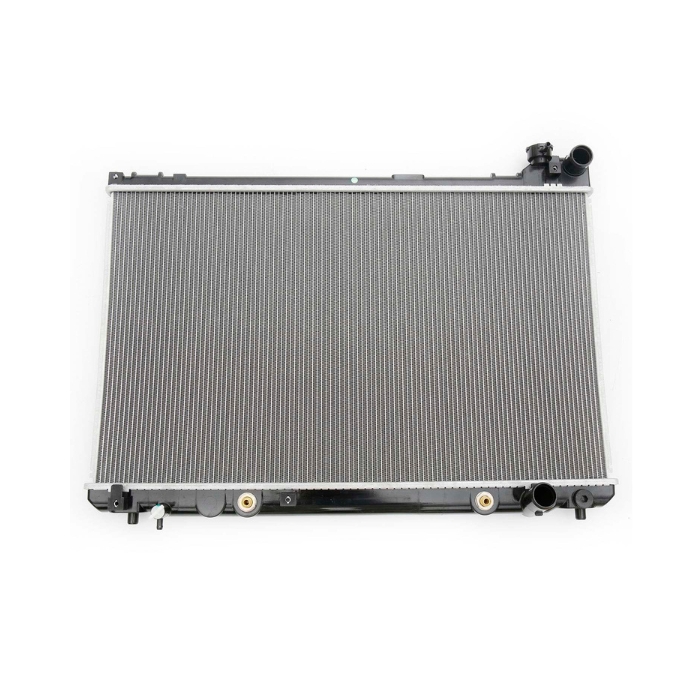
After absorbing heat, the coolant must release it to maintain its cooling efficiency. The radiator facilitates this heat transfer by dissipating the absorbed heat into the surrounding air, allowing the coolant to cool down before it cycles back to the engine for reuse.
Fan-Assisted Cooling
When natural airflow is insufficient—such as when the vehicle is stationary or traveling at low speeds—the radiator fan activates to provide supplementary cooling. This feature is particularly crucial for maintaining temperature stability in low-airspeed scenarios.
Temperature Regulation
The thermostat acts as a precision-controlled valve, ensuring coolant circulates only when necessary. It remains closed when the engine is cold to promote rapid warm-up and opens once the temperature rises to a predefined optimal level, allowing coolant to flow and regulate heat.
Recirculation
Once cooled, the coolant cycles back through the engine, repeating the heat absorption and dissipation process. This continuous loop guarantees that the engine remains within the ideal temperature range during all driving conditions.
Core Components of a Car Cooling System
A cooling system is not a single component but an integrated network of parts working in synergy—each playing an indispensable role in the overall functionality of the engine’s heat management system:
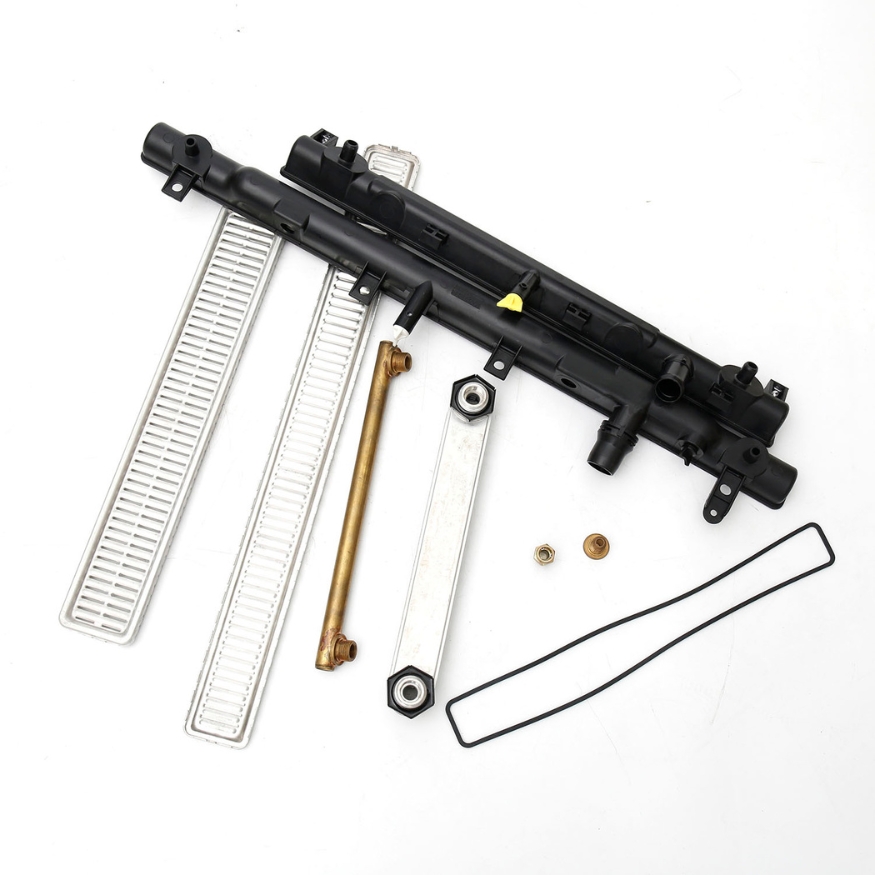
• Radiator: As the primary heat exchanger, it cools heated coolant by enabling ambient airflow to dissipate the accumulated heat. Its integrated metal fins maximize the heat dissipation surface area, accelerating the cooling process.
• Water Pump: Dubbed the “heart” of the cooling system, it ensures the efficient circulation of coolant through the engine, hoses, and radiator, maintaining consistent fluid flow for optimal heat regulation.
• Thermostat: Acts as the “temperature gatekeeper,” regulating coolant flow by opening when the engine overheats and closing when it operates within the ideal temperature range, balancing warm-up speed and heat control.
Radiator Fan: Serves as a backup cooling mechanism, kicking in when natural airflow is inadequate (e.g., during idling or low-speed driving) to reinforce heat dissipation and prevent temperature spikes.
• Coolant (Antifreeze): Beyond absorbing heat from the engine, it protects the cooling system from freezing in low temperatures and inhibits rust and corrosion of internal components, extending the system’s lifespan.
• Hoses & Expansion Tank: Rubber hoses act as conduits, transporting coolant between the engine, radiator, and water pump. The expansion tank manages excess fluid, preventing pressure buildup and ensuring system stability during temperature fluctuations.
The Significance of a Healthy Cooling System
The cooling system is among the most critical systems in any vehicle. A well-maintained cooling system delivers multiple key benefits:
• Mitigation of Overheating Risks: Avoids severe heat-related engine damage, such as blown head gaskets, warped cylinders, and component degradation.
• Enhanced Fuel Efficiency: An optimally heated engine reduces operational strain, minimizing fuel consumption and improving overall energy efficiency.
• Prolonged Engine Lifespan: Excessive heat accelerates the wear and tear of engine parts; effective cooling preserves component integrity and extends the engine’s service life.
Reduced Long-Term Maintenance Expenditures: Regular care and timely component replacement prevent minor issues from evolving into major, costly repairs.
Warning Indicators of Cooling System Issues
Even minor malfunctions in the cooling system can escalate into serious engine problems if neglected. Be vigilant for the following warning signs:
• Engine Overheating: If your temperature gauge enters the red zone, this serves as a definitive indicator of engine overheating. Additionally, steam or smoke emanating from under the hood signals that the cooling system is failing to maintain temperature control.
• Coolant Leaks: Coolant leaks are easily identifiable by bright green, pink, or orange fluid puddles beneath the vehicle. If coolant levels drop rapidly despite regular top-ups, a leak is likely the root cause.
• Faulty Thermostat: A malfunctioning thermostat can cause the engine to run excessively hot or cold, disrupting proper temperature regulation. Inconsistent readings on the temperature gauge often indicate a thermostat stuck in the open or closed position.
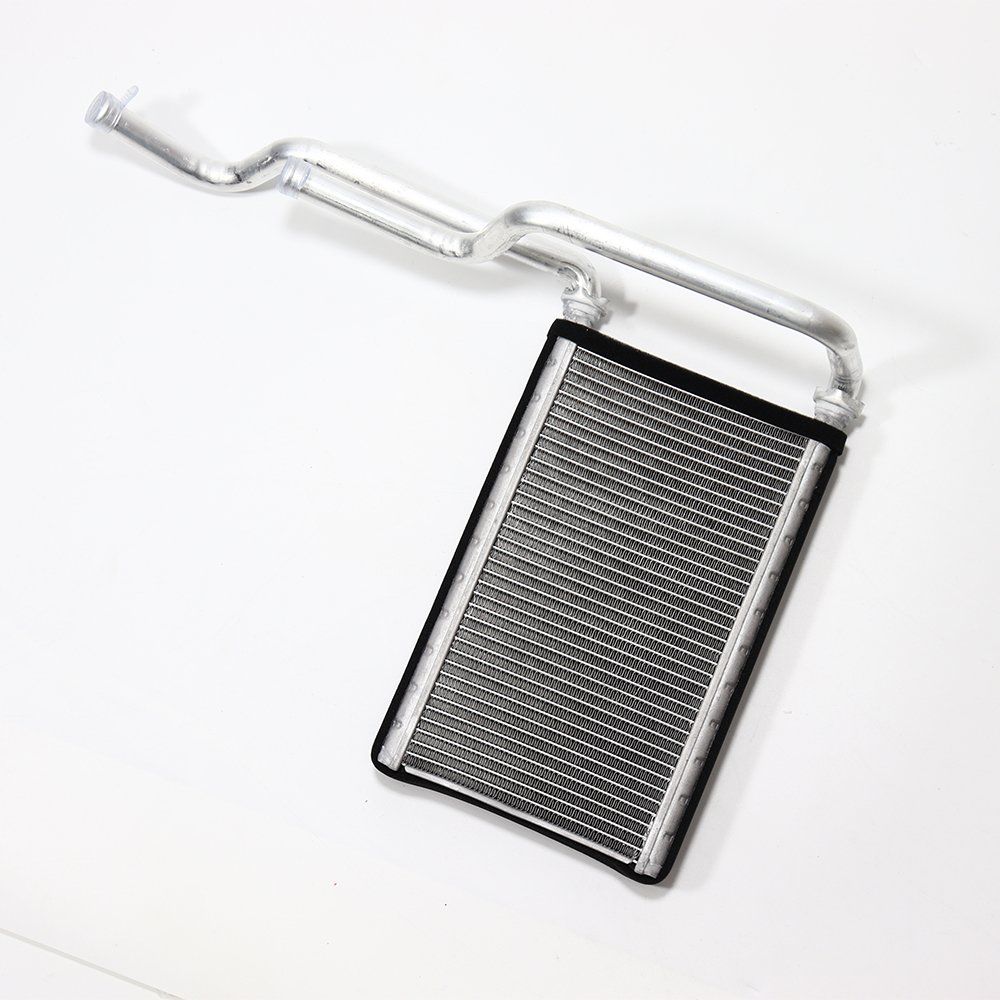
• Radiator Blockages: If the engine overheats even with adequate coolant levels, a blocked radiator may be restricting coolant flow. Reduced heater performance inside the vehicle can also be a secondary indicator, as the heating system relies on the cooling system’s functionality to operate effectively.
Practical Maintenance Practices for Your Car’s Cooling System
Consistent routine maintenance guarantees the efficient operation of your cooling system and prevents unexpected breakdowns. Here are key practices to follow:
• Conduct regular coolant level inspections: Ensure the expansion tank is filled to the recommended level with the correct type of coolant specified for your vehicle.
Inspect hoses and belts: Regularly check for cracks, leaks, or loose connections. Replace any damaged components promptly to avoid system failures.
• Perform periodic cooling system flushes: Drain and refill the coolant every two years to remove contaminants and sediment that can impair cooling efficiency.
• Monitor engine temperature: If the temperature gauge consistently reads higher than usual, have the cooling system inspected by a professional technician immediately.
• Check the radiator cap: A faulty radiator cap can cause pressure irregularities, leading to overheating. Ensure the cap seals tightly and replace it if signs of wear or damage are present.
Trusted Supplier for Premium Heat Dissipation Components
When you seek a reliable partner for high-quality, stable core thermal management components, JUYON stands out as a trusted professional supplier specializing in the R&D and supply of radiators, condensers, intercoolers, evaporators, and other key thermal management parts. With deep insight into the technical demands of the modern automotive industry, JUYON centers on precision manufacturing, integrating advanced material applications, optimized structural design, and strict quality control systems to provide you with high-performance products that balance market competitiveness and durability, helping you strengthen your business advantages.
Beyond excellent product quality, JUYON is committed to providing efficient cooperation guarantees for customers: flexible bulk ordering policies, stable production capacity and supply systems, timely logistics and distribution support, and product information synchronization services tailored to market demands—all designed to boost your flexibility in inventory management, order response, and end-user sales. Whether you serve the regular maintenance market or expand into high-performance accessory channels, JUYON can be your strategic partner. With professional-grade thermal management products as the link, we will jointly explore market value and achieve win-win development for your business. Choosing JUYON means choosing reliable supply chain support and long-term business growth momentum.