What is the Service Life of a Car Radiator?
With proper maintenance, a car radiator typically has a service life of 8 to 10 years. However, issues like corrosion, coolant leaks, or blocked fins can reduce how long it lasts. Regular maintenance not only extends the radiator’s lifespan but also prevents engine overheating.
Your vehicle’s radiator serves a vital function in keeping the engine operating at an ideal temperature. Timely replacement or maintenance of the radiator can avoid expensive engine repairs. This guide covers the average lifespan of radiators, common problems, and practical ways to prolong their service life.
What is the Average Lifespan of a Car Radiator?
The majority of car radiators have a lifespan of 8 to 10 years, though this duration is influenced by your driving patterns, vehicle mileage, and the quality of maintenance provided to the cooling system. Radiators tend to last longer when coolant flows smoothly, debris is flushed out regularly, and corrosion is effectively prevented.
If your car has low mileage and receives regular servicing, the radiator may even last nearly as long as the vehicle itself. On the other hand, vehicles used in harsh conditions—such as off-road driving or exposure to salty coastal air—may require radiator replacement much sooner.
What Factors Can Cause Premature Radiator Failure?
A radiator might malfunction prior to the 8-10 year period if other components of the cooling system do not operate properly. Typical issues affecting radiators are as follows:
• Coolant leakage from cracked hoses, fittings, or radiator reservoirs
• Corrosion on the radiator fins or the interior of the tubes
• Blocked radiator tubes that hinder the flow of coolant
• Rusty or damaged fins that diminish cooling performance
When coolant levels are low or leaks occur, the radiator can no longer efficiently dissipate heat from the coolant, which leads to engine overheating.
For safety reasons, it’s important to never open the radiator cap when the engine is hot. Pressurised coolant can burst out and result in serious burns.
How Can Maintenance Extend Radiator Lifespan?
Maintaining your radiator is crucial for prolonging its service life. Essential maintenance tasks include:
• Flushing the coolant system every 24 months to eliminate debris and old antifreeze
• Inspecting hoses for swelling, cracks, or signs of leakage
• Checking coolant levels alongside engine oil checks
• Servicing the thermostat and radiator cap to sustain proper pressure and coolant flow
A well-maintained radiator can last more than 10 years, while neglecting regular maintenance will undoubtedly shorten its lifespan. Adhering to a proper maintenance schedule ensures your cooling system operates efficiently.
Do Different Radiator Types Have Varying Lifespans?
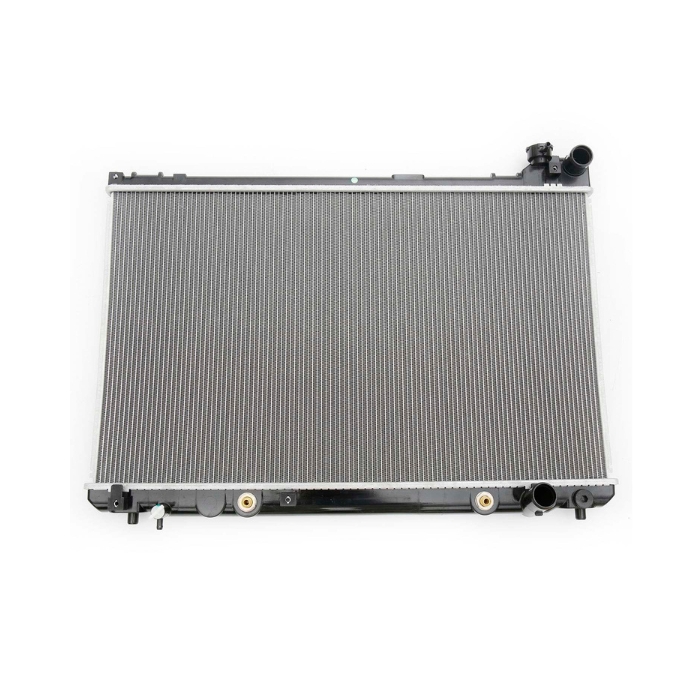
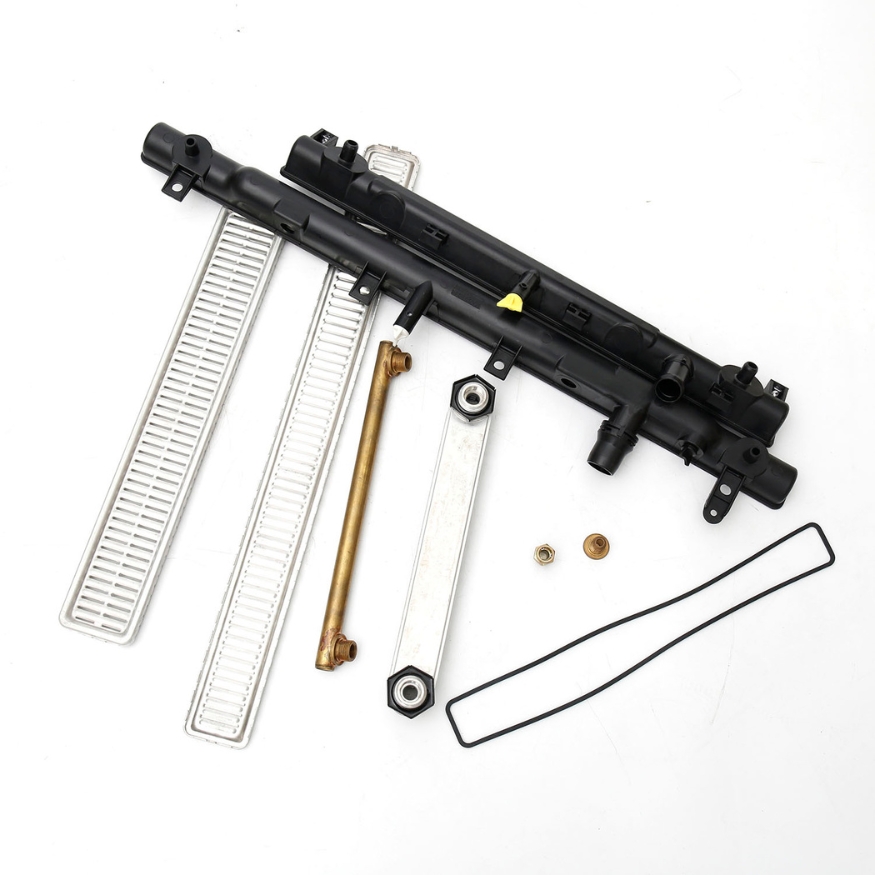
Not all radiators have the same lifespan. Plastic-aluminium radiators are widely used in modern vehicles but usually have a shorter service life, as the plastic reservoirs expand and contract during heat cycles, eventually leading to cracks.
In contrast, copper-brass radiators are simpler to repair and have a longer lifespan when maintained properly, though they are heavier. Full alloy radiators provide exceptional strength, efficient heat dissipation, and good vibration resistance, making them a durable, long-lasting choice.
Your selection of radiator should depend on your vehicle type, driving conditions, and cooling performance requirements.
What Are the Signs That Your Radiator Needs Replacement?
Indications that your radiator may require replacement are:
• Low coolant levels or the need for frequent refills
• A temperature gauge that reads high
• Steam or visible coolant leakage underneath the vehicle
• Rusty or corroded radiator fins
• Engine overheating during normal driving
If your car’s radiator shows any of these symptoms, it may need to be replaced promptly to avoid long-term engine damage. Learn more in our guide about common radiator failures.
How Can You Extend the Life of a Radiator?
You can maintain your radiator in good working order by:
• Regularly checking coolant levels to detect leaks at an early stage
• Flushing the cooling system every 24 months or in accordance with the manufacturer’s recommended schedule
• Replacing hoses and clamps when signs of wear appear
• Scheduling regular inspections to identify problems before they result in engine overheating
Taking these steps not only extends the radiator’s lifespan but also protects the engine’s cooling system from damage.
FAQs About Car Radiator Lifespan
What is the typical service life of a car radiator?
With proper maintenance, a car radiator should have a service life of 8 to 10 years. Its average lifespan is determined by vehicle mileage, the driving environment, and the frequency of cooling system maintenance.
Can a radiator last the entire lifespan of a vehicle?
Under certain circumstances, a vehicle’s radiator can last for the entire lifespan of the car, provided it is well-maintained with fresh coolant and regular inspections. Nevertheless, most radiators need to be replaced after 8 to 10 years of use.
What causes radiator problems and premature failure?
Radiator issues such as blocked fins, rusted reservoirs, coolant leaks, or physical damage caused by debris can lower cooling efficiency. Neglecting these problems can result in engine overheating and long-term damage to the vehicle.
How can I extend the lifespan of my car radiator?
Regular maintenance is key to extending your car radiator’s lifespan. You should flush the coolant system every 24 months, replace worn radiator hoses, and check coolant levels on a regular basis. A professional mechanic can inspect the entire cooling system to ensure your radiator remains in good working condition.
When should I replace my radiator?
You should replace your radiator if it is more than 8 to 10 years old, if the temperature gauge indicates excessive heat, or if you notice leaks, corrosion, or overheating alerts. Installing a new radiator prevents potential engine damage.
Choose JUYON: Your Trusted Partner for High-Performance Radiators
When it comes to seeking radiators that strike the perfect balance between durability, performance, and market competitiveness, JUYON emerges as an industry-leading partner for global suppliers. Boasting over 20 years of dedicated expertise in innovating automotive cooling systems, JUYON has refined its product portfolio to tackle the key pain points of radiator use—premature failure, material limitations, and inconsistent performance—all while prioritizing customers’ core needs: supply stability, cost-effectiveness, and customization flexibility.
Our radiators not only fit seamlessly but also integrate perfectly with the vehicle’s cooling system, optimizing cooling efficiency to minimize the risk of engine overheating and costly repairs. We recognize that a radiator is more than just a component—it’s an investment in your vehicle’s long-term reliability. That’s why transparency, reliability, and top-tier performance remain the cornerstones of every product we deliver.