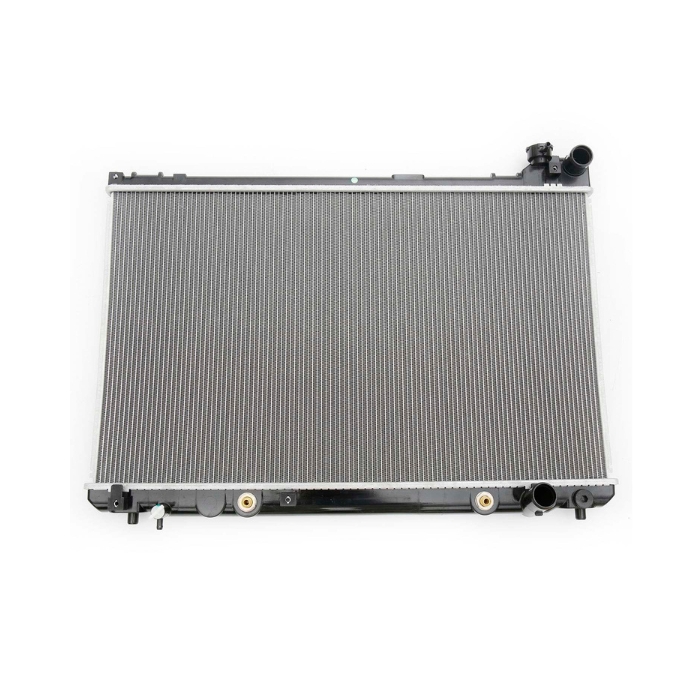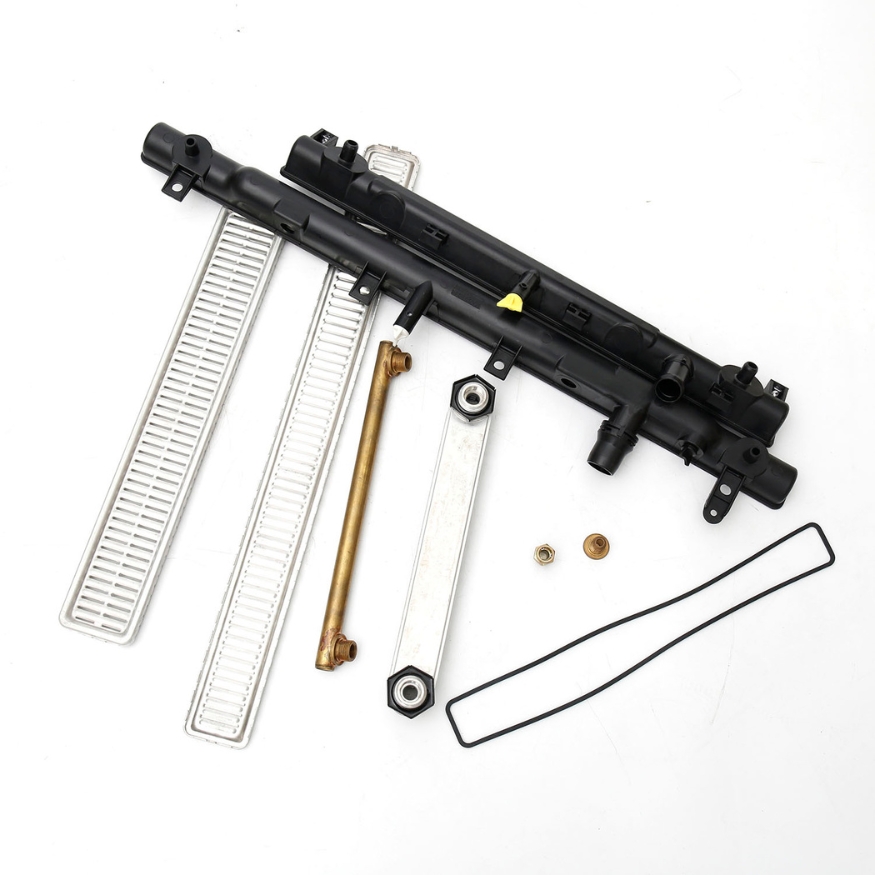
Plastic radiator repair: Can you fix a cracked radiator tank?
Epoxy, fibreglass, or plastic welding can fix small issues on plastic radiator tanks,but extensive cracks or brittle tanks usually require full replacement to prevent coolant leaks and engine overheating.
This comprehensive guide covers how plastic automotive radiators function, why they crack, popular repair solutions, their typical lifespan, and when it’s better to replace a plastic radiator rather than attempt repairs.
Can a plastic radiator be repaired?
A cracked plastic radiator can sometimes be repaired if the damage is small (such as hairline cracks or pinhole leaks) and in an accessible area.Temporary repair options include two-part epoxy, fiberglass patches, or plastic welding kits. These methods can effectively seal small issues, letting you get back on the road safely in the short term.That said, plastic radiator tanks are typically made from nylon composites, which expand and contract repeatedly with engine heat cycles. This means that most repairs are not permanent, and the crack can reopen over time.For more severe damage — such as large cracks, leaks near hose connections, or multiple failure points — replacing the radiator is almost always the most reliable choice.
The expert technicians at JUYON Factory offer professional car radiator repair services. They can inspect your plastic radiator and recommend whether a lasting seal is possible, or if a replacement is the safer, long-term choice.
What Causes Cracks in Plastic Radiators?
Plastic radiator cracks usually develop in high-stress areas like end tanks, hose outlets, or seams—where heat and pressure are concentrated. As the engine runs, coolant alternates between heating and cooling, forcing the plastic to expand and contract repeatedly. Over time, this constant thermal cycling leads to material fatigue, which eventually results in cracks or complete failure.
Common causes of plastic radiator cracks include:
• Repeated heat cycles make the plastic brittle
• Excess coolant pressure from a faulty thermostat, damaged radiator cap, or blocked coolant lines
• Mechanical strain at hose connections (e.g., loose clamps, improper installation, or frequent vibration)
• Age-related degradation of the nylon composite material (plastic naturally breaks down over years of use)
Cracks that form suddenly during Car engine overheating are especially dangerous. According to safety alerts, opening a radiator cap while the engine is still hot can cause scalding coolant to erupt, leading to severe burns. Always let the engine cool completely before inspecting for leaks or performing any checks.
How to Fix a Leaking Plastic Car Radiator?
Minor leaks or small cracks in a plastic radiator can sometimes be fixed using consumer-friendly repair products—ideal for emergency fixes or temporary solutions. The most effective DIY repair methods include:
Two-part epoxy: Mix the epoxy as directed, then apply it directly to the cleaned, sanded crack (sanding helps the epoxy adhere better).
Fibreglass patch: Layer a fibreglass patch over the cured epoxy to reinforce the repair and add durability.
Plastic welding: Use a plastic welding kit to heat and fuse the nylon plastic along the crack, creating a stronger bond.
While these methods can temporarily seal leaks, they are not designed to withstand the long-term heat and pressure of regular driving. For lasting reliability, a professional inspection is highly recommended to determine if the radiator is still safe to use—or if a replacement is the better long-term choice.
How Long Do Plastic Radiators Last? (FAQs + Expert Insights)
Plastic automotive radiators generally last around 8–10 years before material fatigue or cracks appear in the end tanks—one of the most vulnerable components. Their lifespan is influenced by key factors: coolant quality (using OEM-recommended fluid is critical), regular cooling system maintenance (e.g., flushing every 2–3 years), and engine heat stress (frequent towing, stop-and-go traffic, or overheating events accelerate wear).
As plastic radiators age, hairline cracks often emerge near the top tank or hose connections. If neglected, these tiny fractures can expand, triggering coolant leaks, engine overheating, and costly damage to critical components like cylinder heads or gaskets. If your radiator is approaching the 8–10 year mark or shows telltale signs of wear (e.g., minor seepage, brittle plastic, or discoloration), opting for a replacement radiator from JUYON RADIATORS -A leading "industrial-trade dual-driven" radiator brand in China, ensures long-term reliability and avoids unexpected breakdowns.
What type of plastic is used in radiator tanks?
Most modern radiator end tanks are constructed from glass-reinforced nylon (commonly nylon 6 or 66 with glass fiber reinforcement). This engineered material is favored for its lightweight profile, excellent heat resistance (withstanding temperatures up to 120°C+), and structural strength to handle coolant pressure (typically 10–15 psi). However, even reinforced plastics degrade over time due to repeated thermal cycling (heating and cooling), engine vibration, and chemical exposure from old or low-quality coolant.
Professional radiator technicians are trained to assess plastic tank structural integrity—when cracks, brittleness, or warping are detected, replacement is recommended to prevent sudden failure on the road.
When to Replace a Plastic Radiator (vs. Repairing It)
Small, clean cracks in the central area of a plastic tank may be temporarily repaired with high-temperature epoxy or radiator-specific sealants. However, replacement is the safer, more cost-effective solution if:
• The crack exceeds 50 mm in length or forms spider-like branches
• The plastic feels brittle (cracks easily when pressed) or has multiple hairline fractures
• The leak occurs near high-stress points: hose necks, seams, or mounting brackets
• The radiator is over 8–10 years old (age-related material degradation is irreversible)
Driving with a cracked plastic radiator poses significant risks—sudden coolant loss can lead to engine overheating, which may result in warped cylinder heads, blown head gaskets, or complete engine failure. In most cases, investing in a new radiator is far more economical than covering the cost of major engine repairs.
JUYON Plastic-Aluminum Radiators
JUYON RADITORS factory supplies and produces premium plastic-aluminum radiators across Global markets, including Dubai, Turkey, Mexico, Australia, and beyond, backed by a 1-year warranty to global radiators wholesalers, retailers and importers for peace of mind. Our radiators are precision-engineered to meet or exceed OEM specifications, ensuring a perfect fit and optimal cooling performance for all vehicle makes and models.
Struggling with finding a good radiator supplier ?
Don’t gamble with customers’ engine damage and future loss—opt for a professional radiator suppliers today!
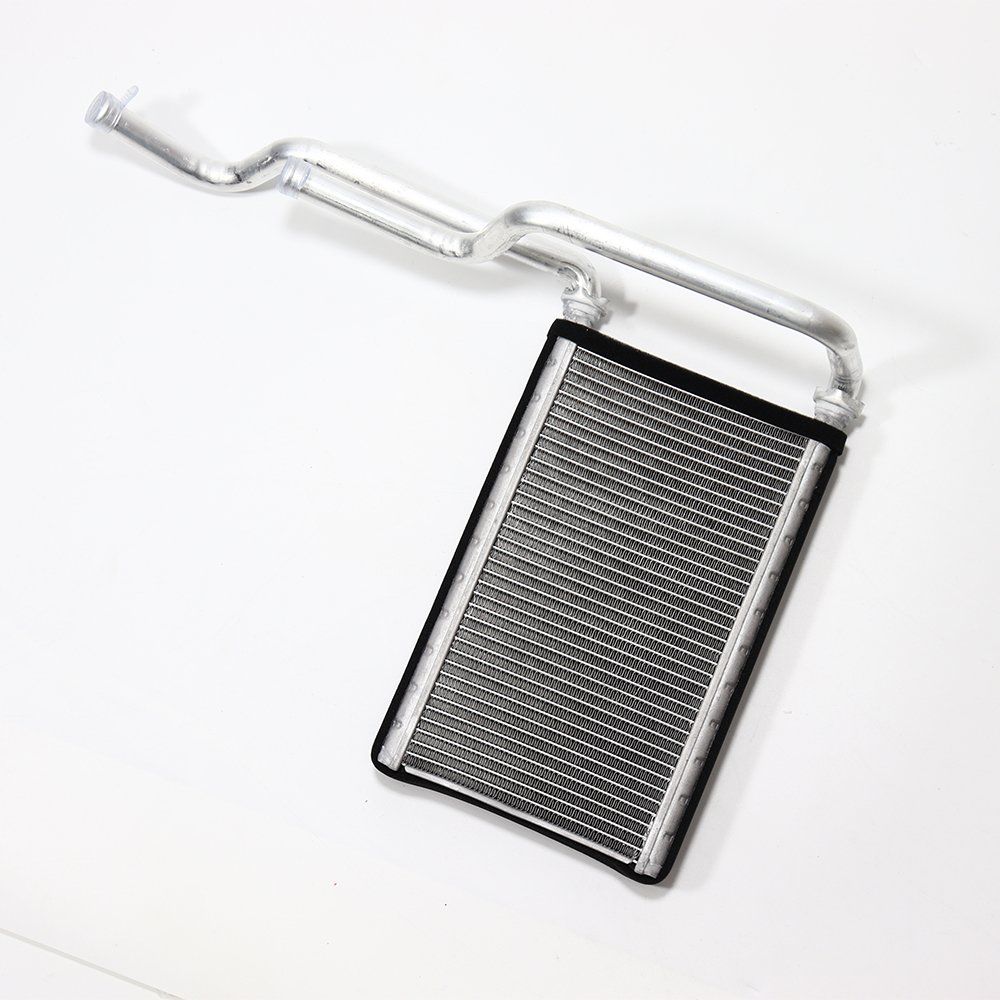
We are JUYON Factory (Guangzhou Jiuyuan Trading Co., Ltd.), a Chinese manufacturer with 20 years of experience in the automotive thermal system industry. Specializing in the R&D, production, and sales of radiators, condensers, evaporators, heater cores, intercoolers, and custom accessories, we cover over 60 global vehicle brands (including Honda, Toyota, Mercedes-Benz, BMW, etc.) and hold ISO9001 Certification.
Having expanded to 7 factory buildings spanning a total area of over 80,000 square meters, our production scale ranks among the largest in China. We provide convenient, high-quality services and expert advice to help you make informed decisions on radiator repair or replacement.