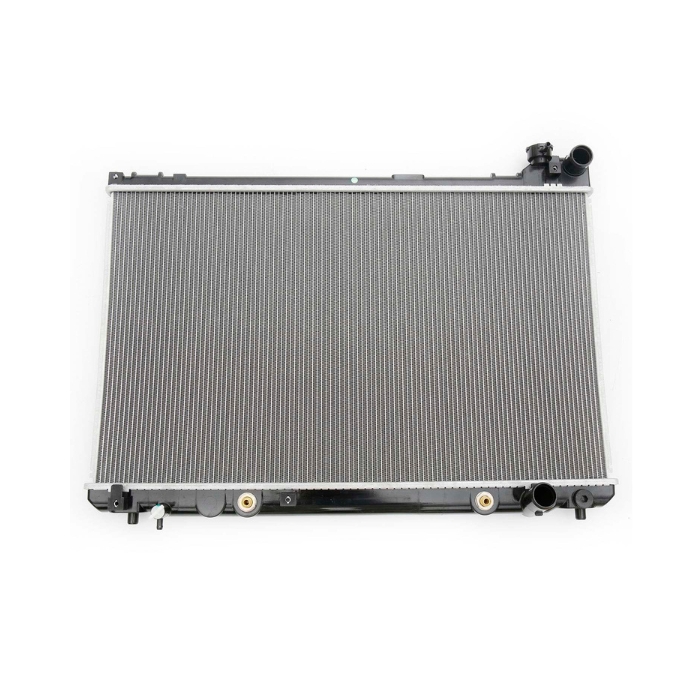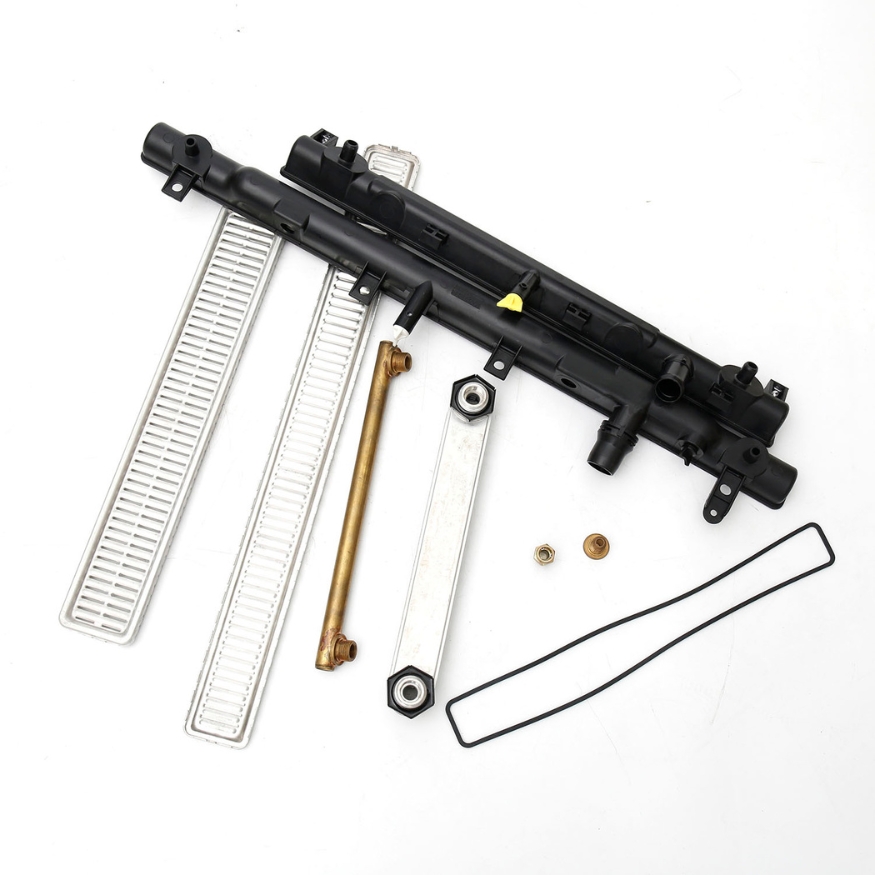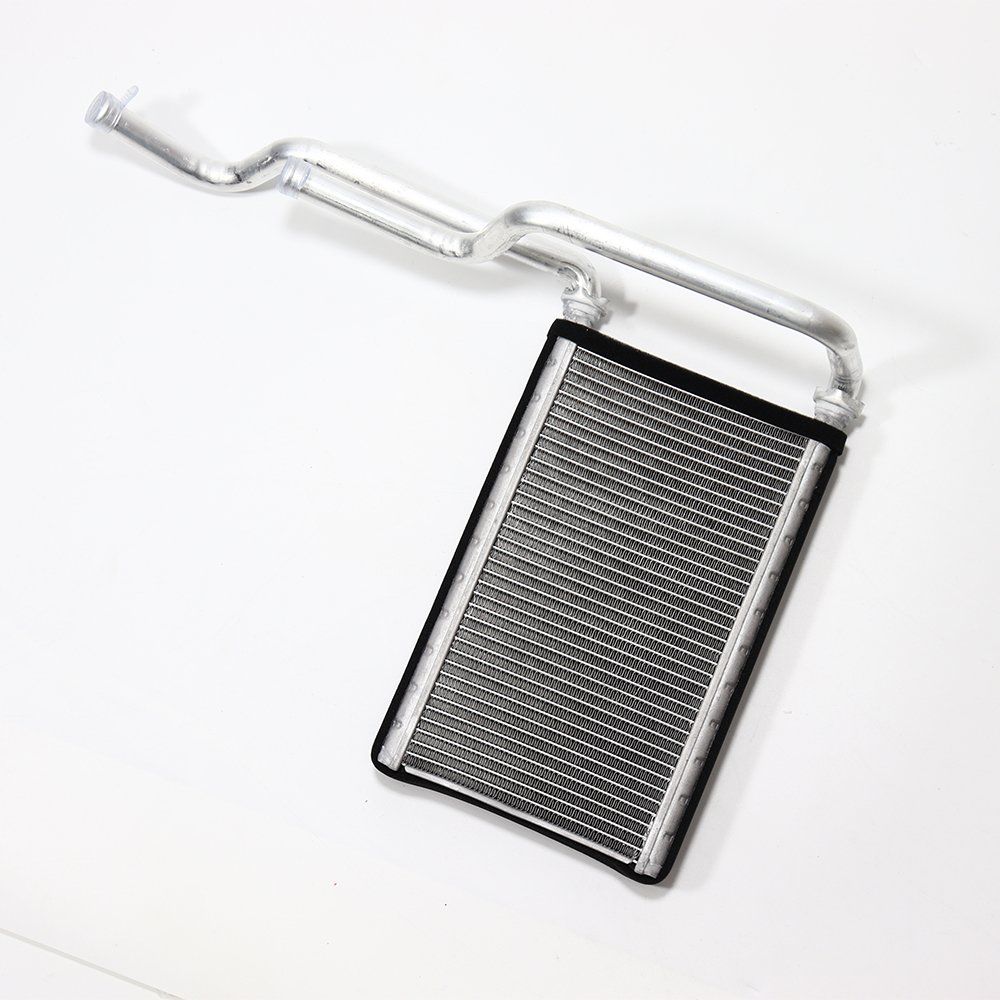
Troubleshooting Methods for Condensers
A component of the air conditioning system that rapidly transfers heat from the pipeline to the surrounding air. In the distillation process, a device that converts gas or vapor into liquid is called a condenser. All condensers operate by removing heat from the gas or vapor.
The normal operation of the condenser can prevent premature wear of components and maintain a stable working state. How to troubleshoot condenser faults?
1. Excessively High Condensing Temperature (Condensing temperature: the condensation temperature of the refrigerant in the condenser) Troubleshooting Methods:
① Insufficient cooling water flow: The high-temperature gas discharged by the compressor cannot be effectively cooled, leading to an increase in condensing temperature. Sufficient water should be added.
② Excessively high cooling water temperature: The high-temperature gas discharged by the compressor cannot undergo effective heat exchange, resulting in elevated condensing temperature. Therefore, appropriate cooling measures should be taken for the cooling water.
③ Low vacuum degree and dryness of the refrigeration system, causing increased condensing temperature. Solution: Improve the system vacuum degree.
2. Excessively Low Condensing Temperature:
① Insufficient refrigerant in the system: The refrigerant should be added in accordance with the specifications.
② Excessively low cooling water temperature or excessive water flow: Adjust appropriately according to the cooling capacity and temperature difference.
3. Excessive Scale in the Condenser:
The formation of scale in the condenser is primarily attributed to the cooling water containing substantial amounts of bicarbonates, sulfates, and chlorides of calcium (Ca), magnesium (Mg), and sodium (Na), as well as silica and other impurities. The presence of these substances imparts a certain degree of hardness to the water. Once scale forms, the water flow resistance increases and the heat exchange efficiency decreases, which in turn causes a rise in condensing temperature, a reduction in refrigeration capacity, and an increase in power consumption. In severe cases, it may result in corrosion of the pipe walls.
To prevent such accidents, clean water should be used. If the water quality does not meet the requirements, chemical water treatment should be adopted. If the cooling water is seawater, measures should be taken in the design to prevent corrosion of pipes and equipment by seawater, as well as adhesion or blockage of pipes and equipment by marine organisms and plants.
While the above troubleshooting methods can address existing issues, selecting high-quality condensers from the outset is key to more effectively reducing the likelihood of future malfunctions. And this is where Guangzhou Jiuyuan Trading Co., Ltd. excels.
As an integrated enterprise specializing in the R&D, production, and sales of automotive thermal systems, we offer products compatible with a wide range of vehicle models—all backed by reliable quality and superior performance. With years of expertise in manufacturing automotive cooling system components, every product undergoes rigorous pre-delivery inspections to guarantee a service life of several years or more. We warmly welcome you to consult with us and explore potential cooperation opportunities!